
Primary Endpoint

For first-line treatment of adult patients with locally advanced or metastatic NSCLC with EGFR exon 20 insertion mutations

The first and only targeted therapy to show statistically significant PFS improvements1

RYBREVANT® + chemotherapy demonstrated a statistically significant reduction in the risk of progression or death by 60% vs chemotherapy alone, as assessed by BICR1,2
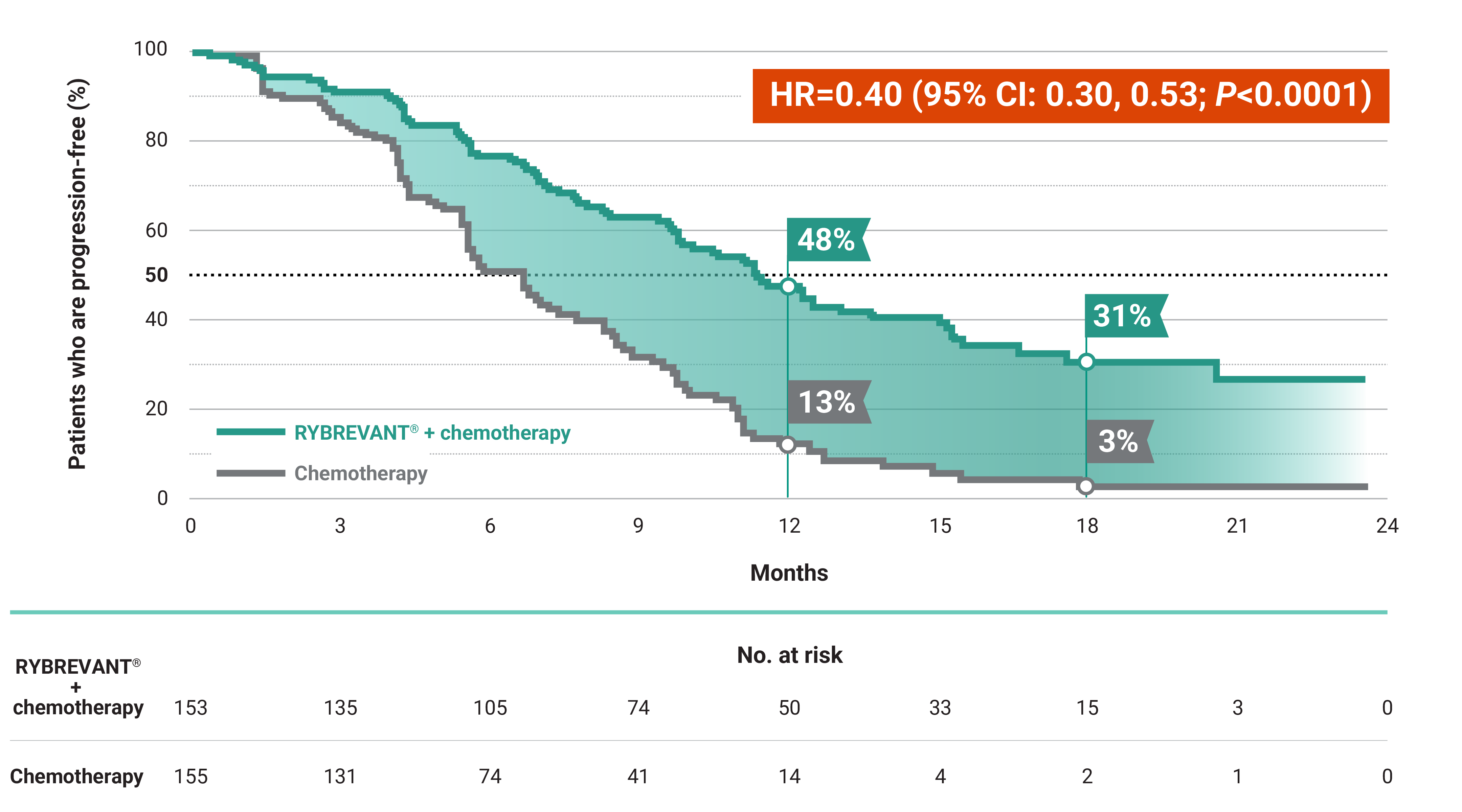
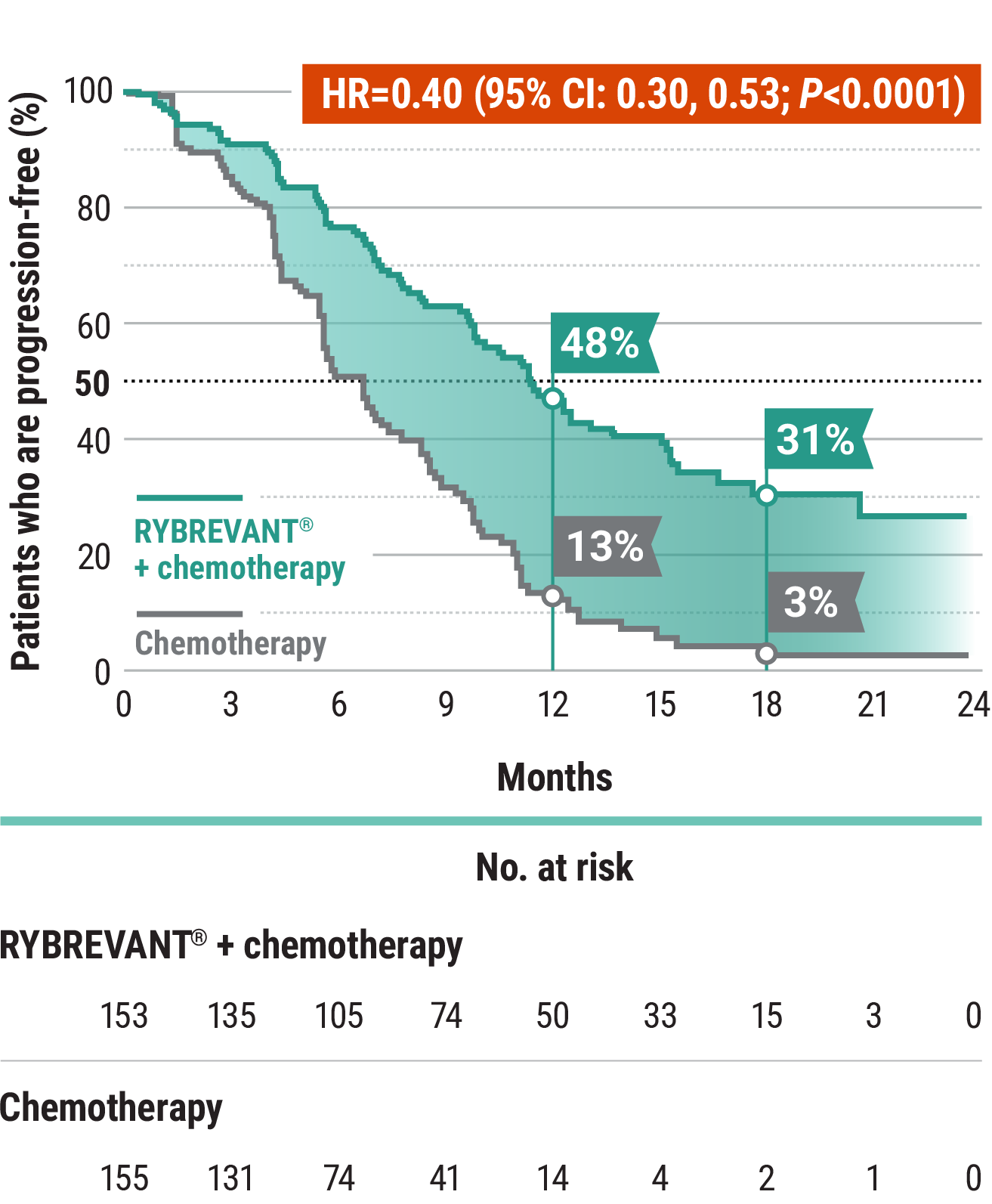
PAPILLON clinical trial PFS graph: RYBREVANT® + chemotherapy reduction of risk of progression or death by 60% vs chemotherapy alonePAPILLON clinical trial PFS graph: RYBREVANT® + chemotherapy reduction of risk of progression or death by 60% vs chemotherapy alone

~2X mPFS: 11.4 months with RYBREVANT® + chemotherapy vs 6.7 months with chemotherapy alone1

NCCN PREFERRED FIRST-LINE THERAPY3

Amivantamab-vmjw (RYBREVANT®) + chemotherapy* is an NCCN Category 1 (preferred) treatment option for patients with EGFR+ nonsquamous mNSCLC with exon 20 insertion mutations according to the National Comprehensive Cancer Network® (NCCN®).

*Chemotherapy is carboplatin and pemetrexed.3

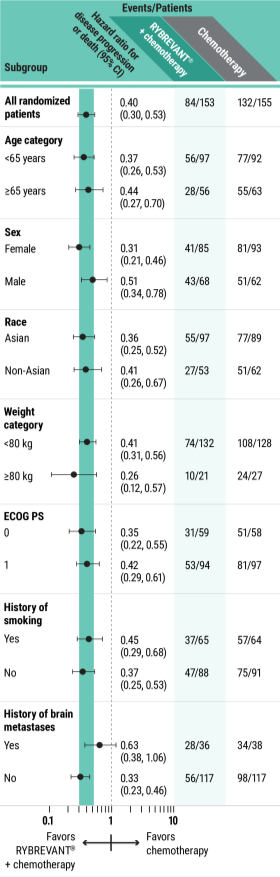
PFS results in prespecified subgroups2
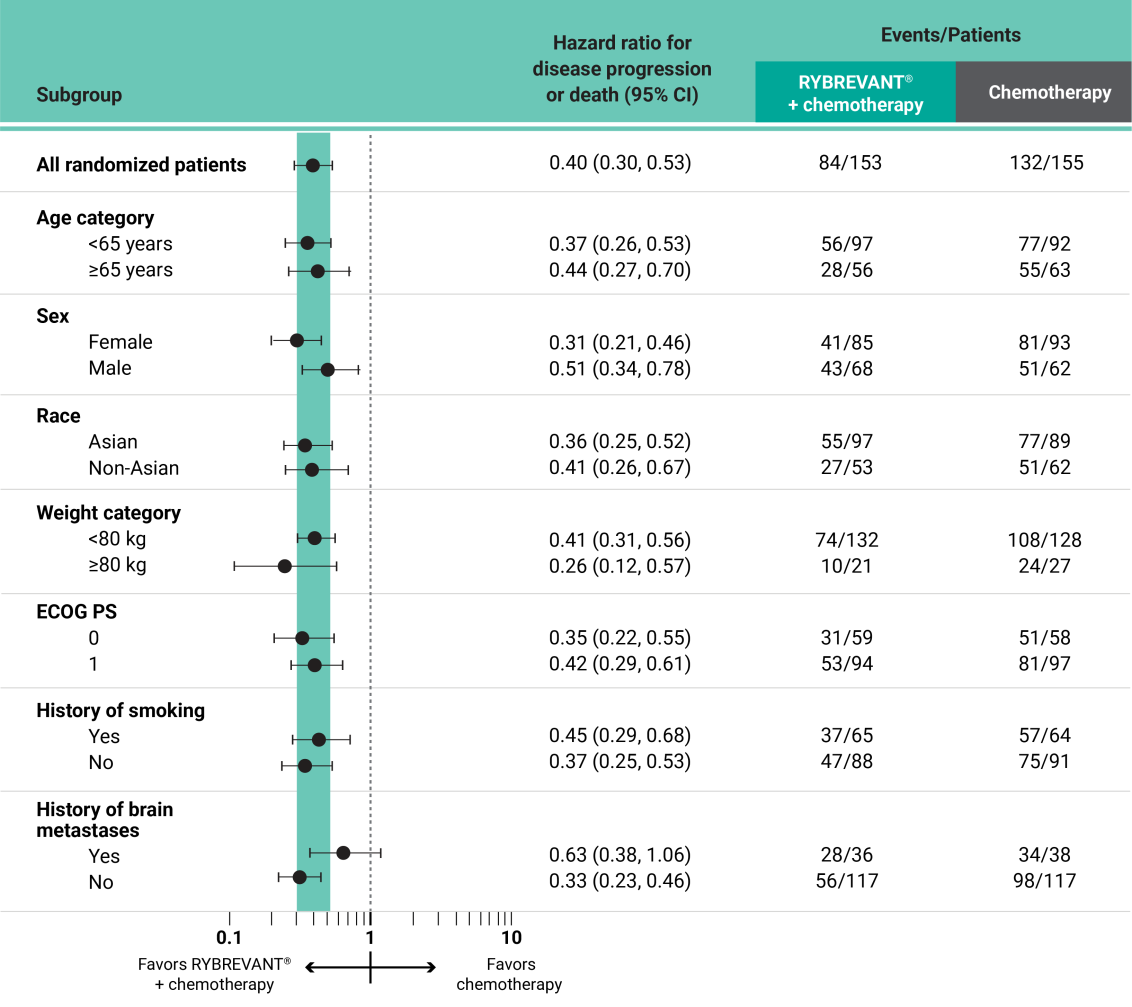
PAPILLON clinical trial PFS results in prespecified subgroups chartPAPILLON clinical trial PFS results in prespecified subgroups chart

This was a prespecified analysis and was not powered to show statistical significance.


RYBREVANT® is also approved for patients with EGFR exon 20 insertion mutations whose disease has progressed on or after platinum-based chemotherapy1

Learn more

BICR, blinded independent central review; CI, confidence interval; ECOG PS, Eastern Cooperative Oncology Group performance status; EGFR, epidermal growth factor receptor; HR, hazard ratio; mNSCLC, metastatic non–small cell lung cancer; mPFS, median progression-free survival; NSCLC, non–small cell lung cancer; PFS, progression-free survival.
Other Endpoints

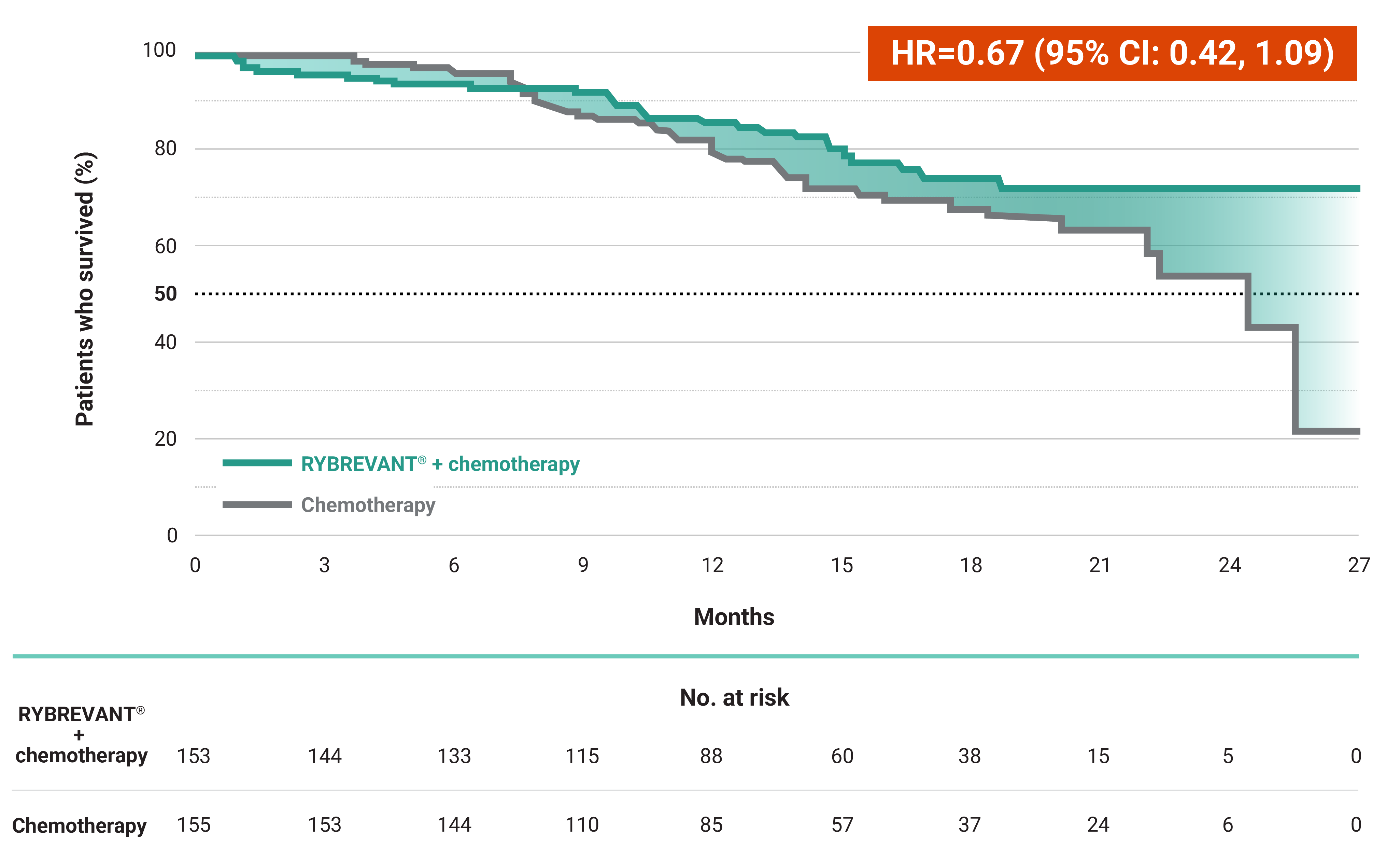
Interim overall survival results

OS results were immature at the current analysis (44% of prespecified events); no trend towards a detriment was observed1

  • 48% of the treated patients crossed over from the carboplatin and pemetrexed arm after confirmation of disease progression to receive RYBREVANT® as a single agent1

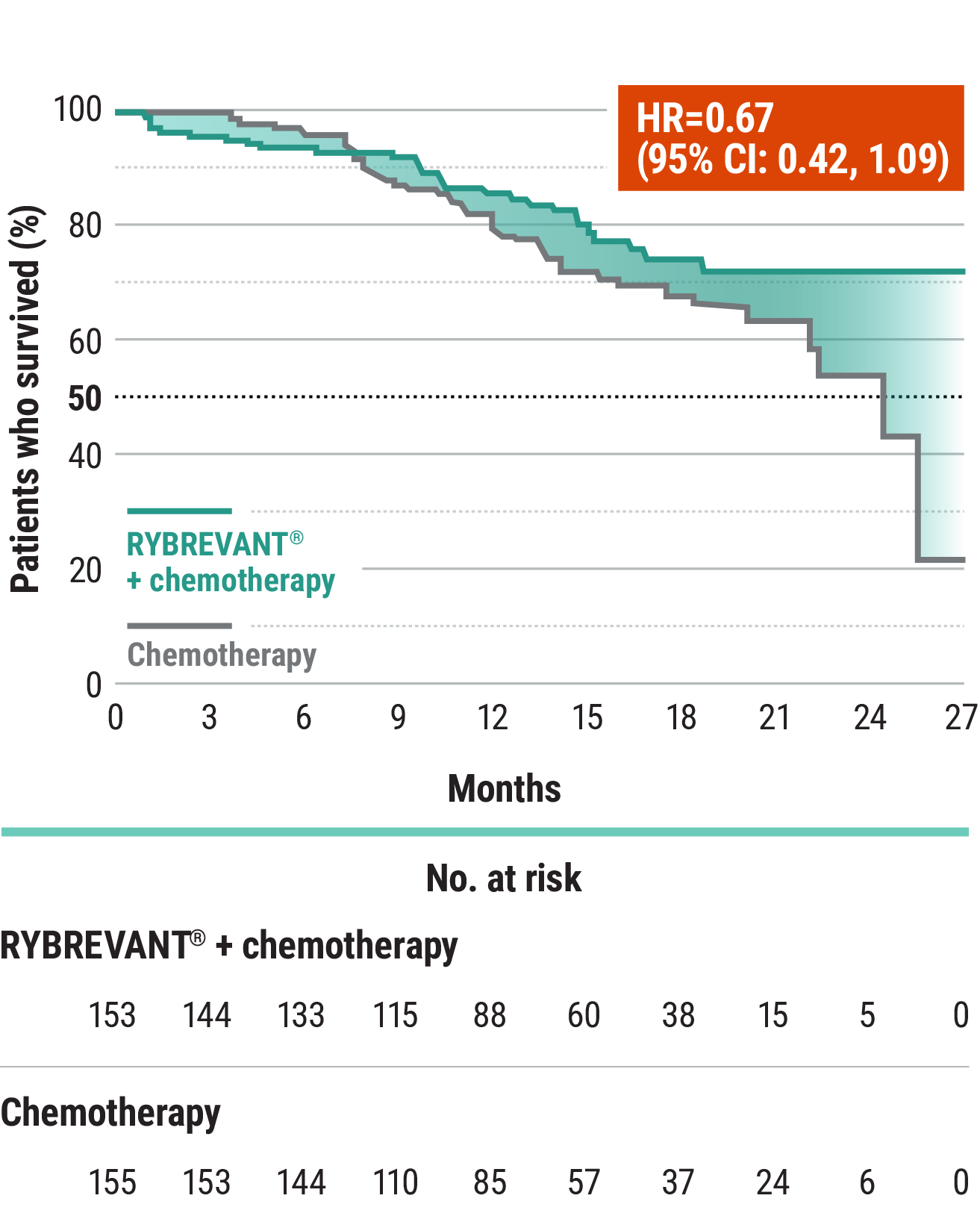
OS results at interim analysis (33% of prespecified events)2

PAPILLON clinical trial OS results graph (33% of prespecified events)PAPILLON clinical trial OS results graph (33% of prespecified events)

For first-line treatment of adult patients with locally advanced or metastatic NSCLC with EGFR exon 20 insertion mutations

Unprecedented responses from a novel first-line regimen

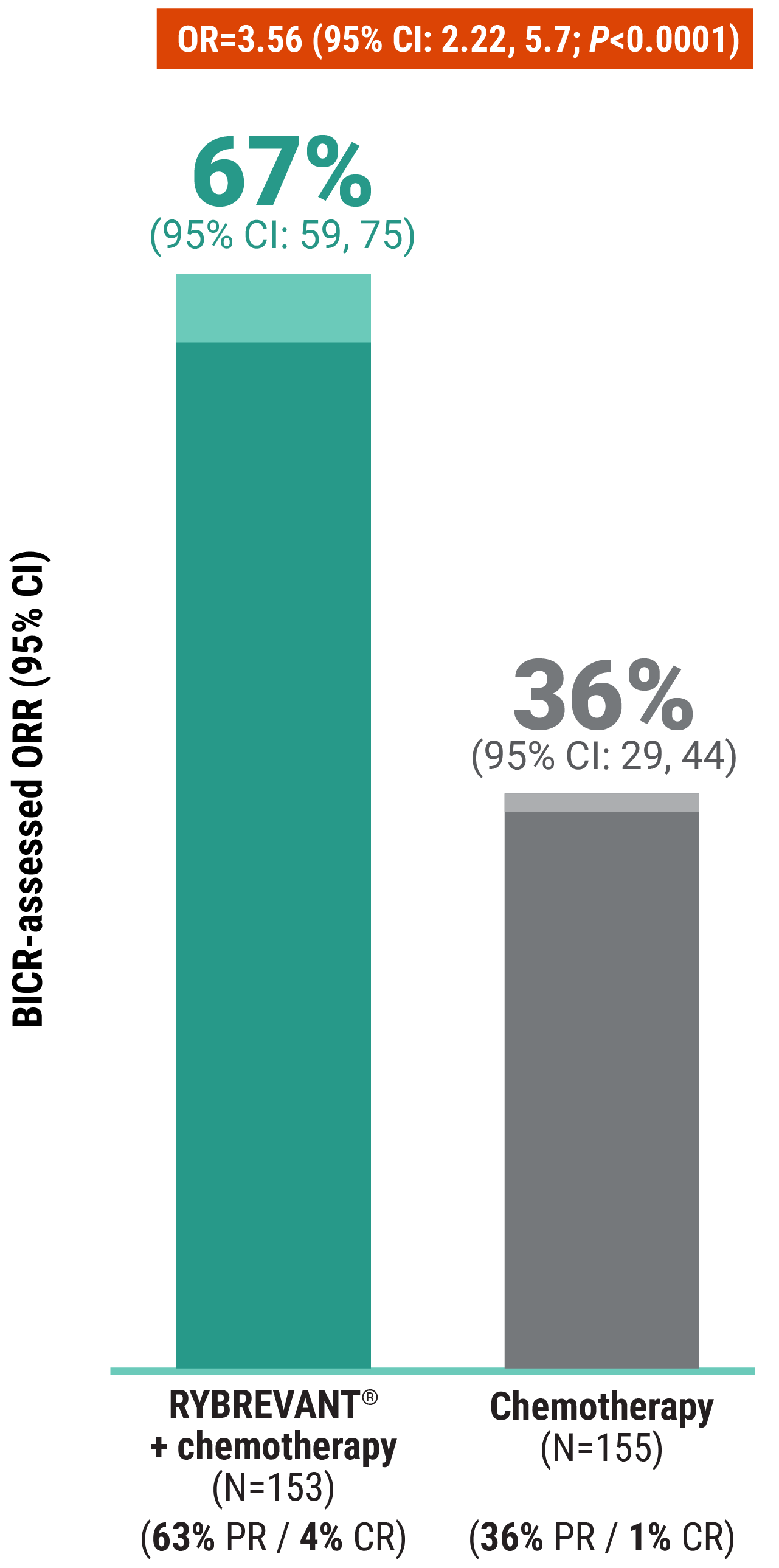
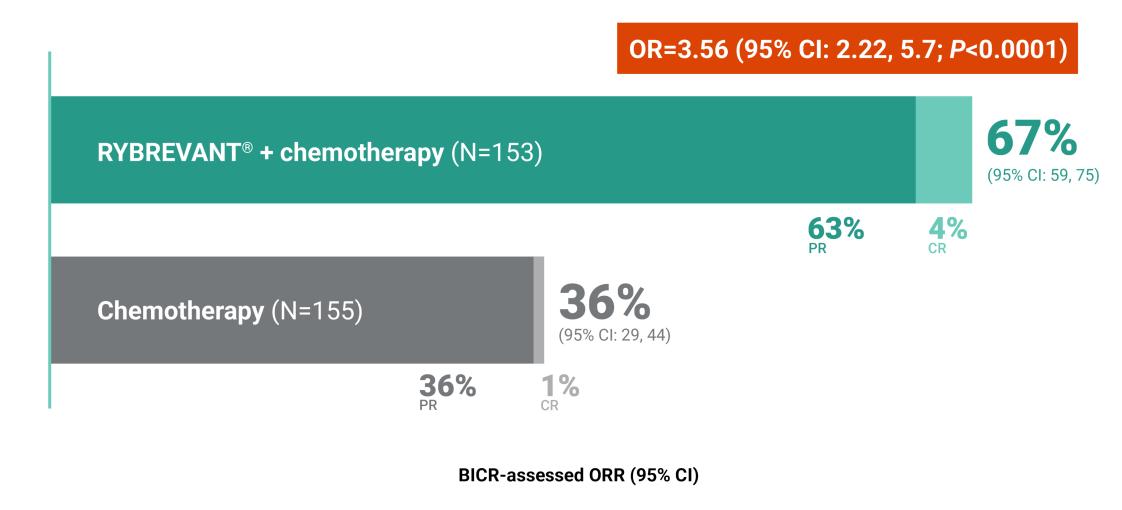
RYBREVANT® + chemotherapy demonstrated higher responses as assessed by BICR. Deep and fast responses were also observed1,4

Overall response rates

PAPILLON Overall response rates: RYBREVANT® + chemotherapy 67% vs chemotherapy 36%PAPILLON Overall response rates: RYBREVANT® + chemotherapy 67% vs chemotherapy 36%

Depth

  • CR was 4% with RYBREVANT® + chemotherapy and 1% with chemotherapy alone1

Speed of response

  • Median TTR was 6.7 weeks (range, 5.1–72.5) with RYBREVANT® + chemotherapy and 11.4 weeks (range, 5.1–60.2) with chemotherapy alone2

Time to response was not a prespecified analysis and both CR and TTR was not powered to show statistical significance.

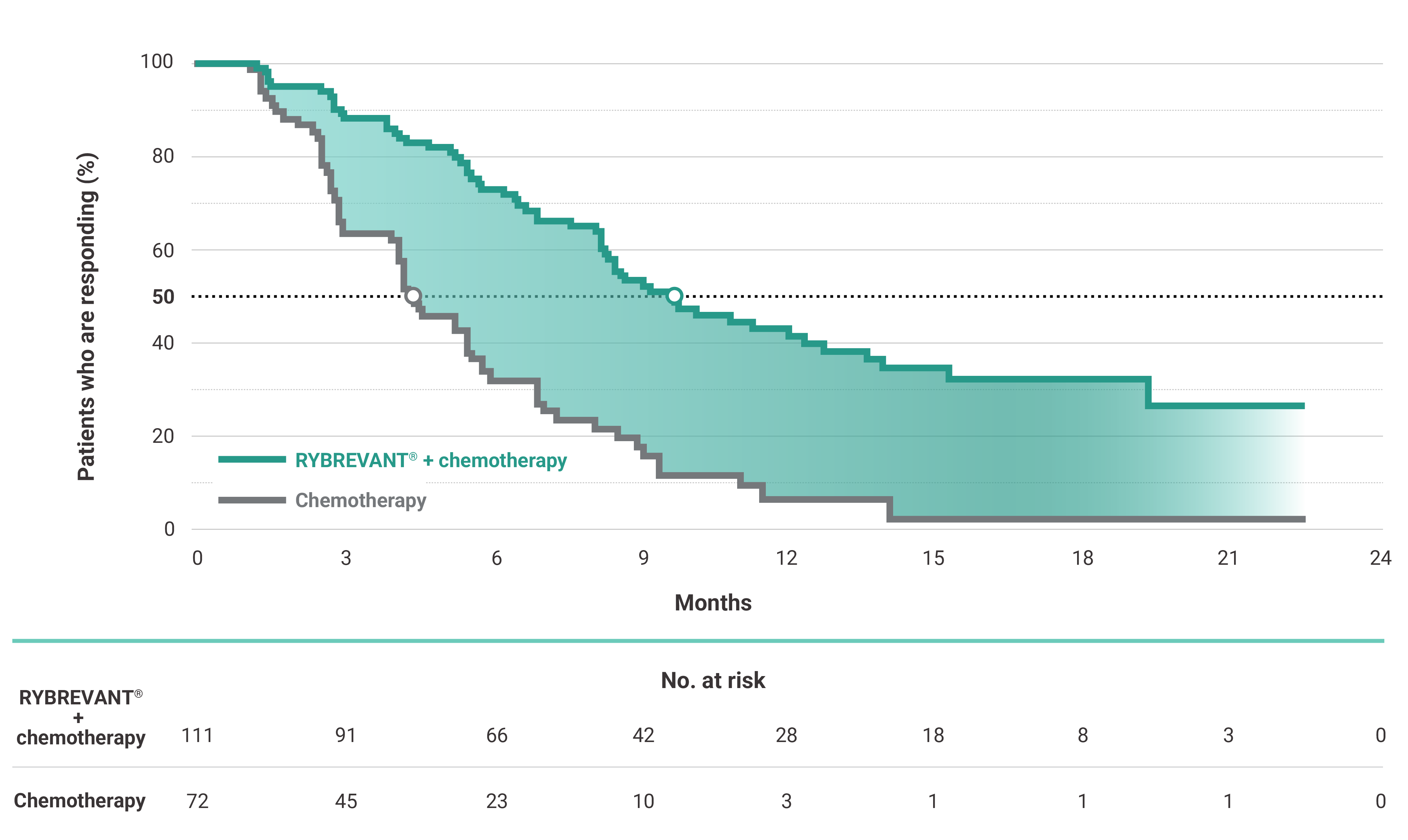
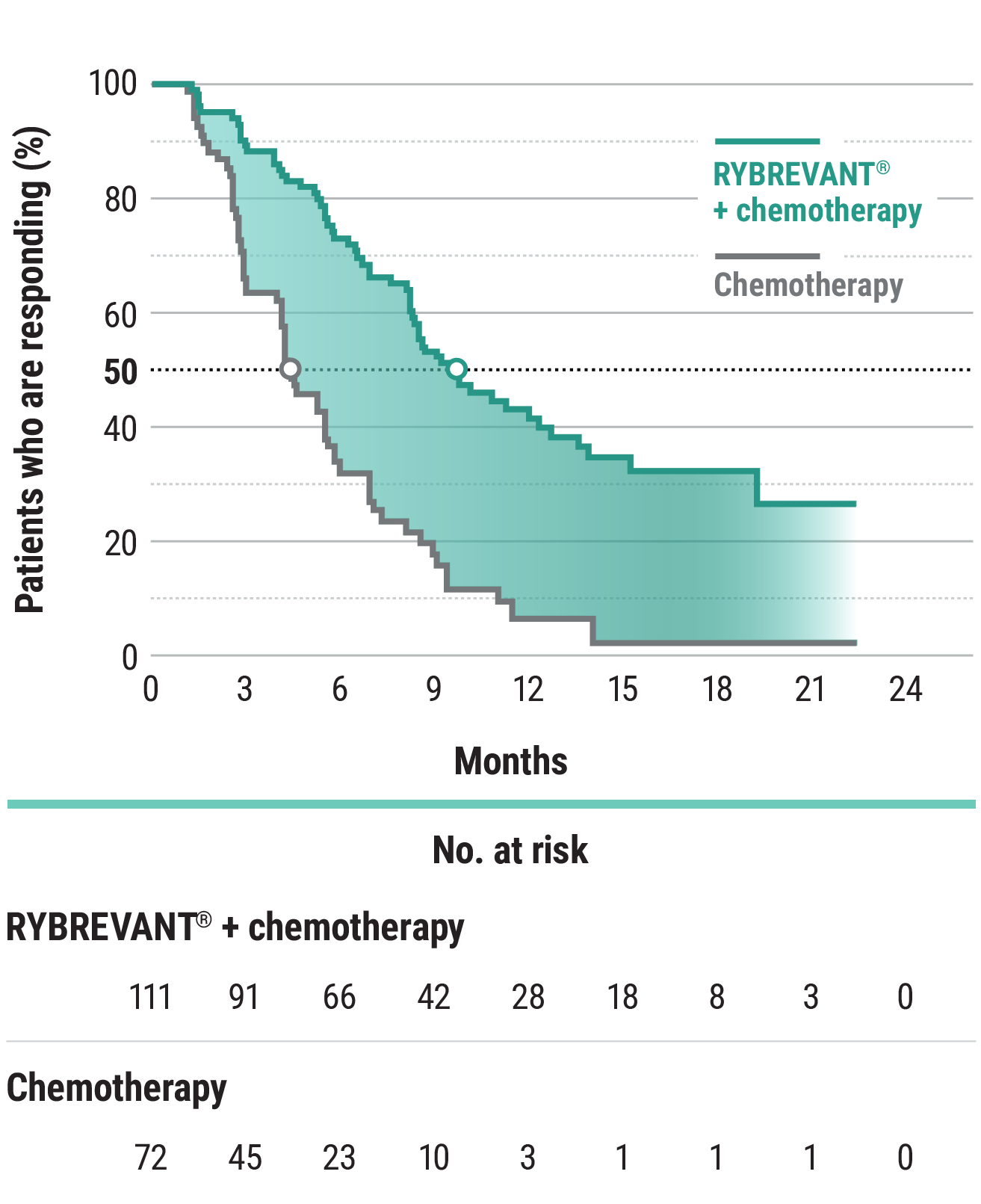
RYBREVANT® + chemotherapy demonstrated durable responses as assessed by BICR5

Duration of response

PAPILLON clinical trial duration of response graph: 10.1 months with RYBREVANT® + chemotherapy and 5.6 months with chemotherapy alonePAPILLON clinical trial duration of response graph: 10.1 months with RYBREVANT® + chemotherapy and 5.6 months with chemotherapy alone

This was a prespecified analysis and was not powered for statistical significance.

~2X median DOR: 10.1 months (95% CI: 8.5, 13.9) with RYBREVANT® + chemotherapy and 5.6 months (95% CI: 4.4, 6.9) with chemotherapy alone1

CR, complete response; DOR, duration of response; OR, odds ratio; ORR, overall response rate; OS, overall survival; PR, partial response; TTR, time to response.


Study Design

For adult patients with locally advanced or metastatic NSCLC with EGFR exon 20 insertion mutations

PAPILLON: Evaluating the EGFR-targeting therapy with chemotherapy for first-line EGFR exon 20 insertion mutations1

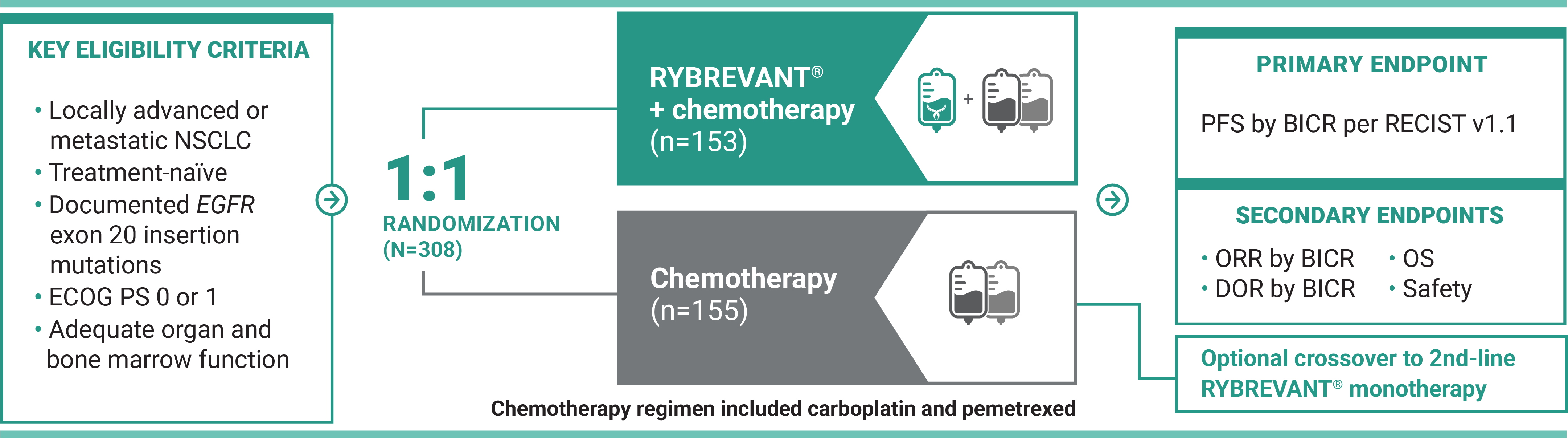
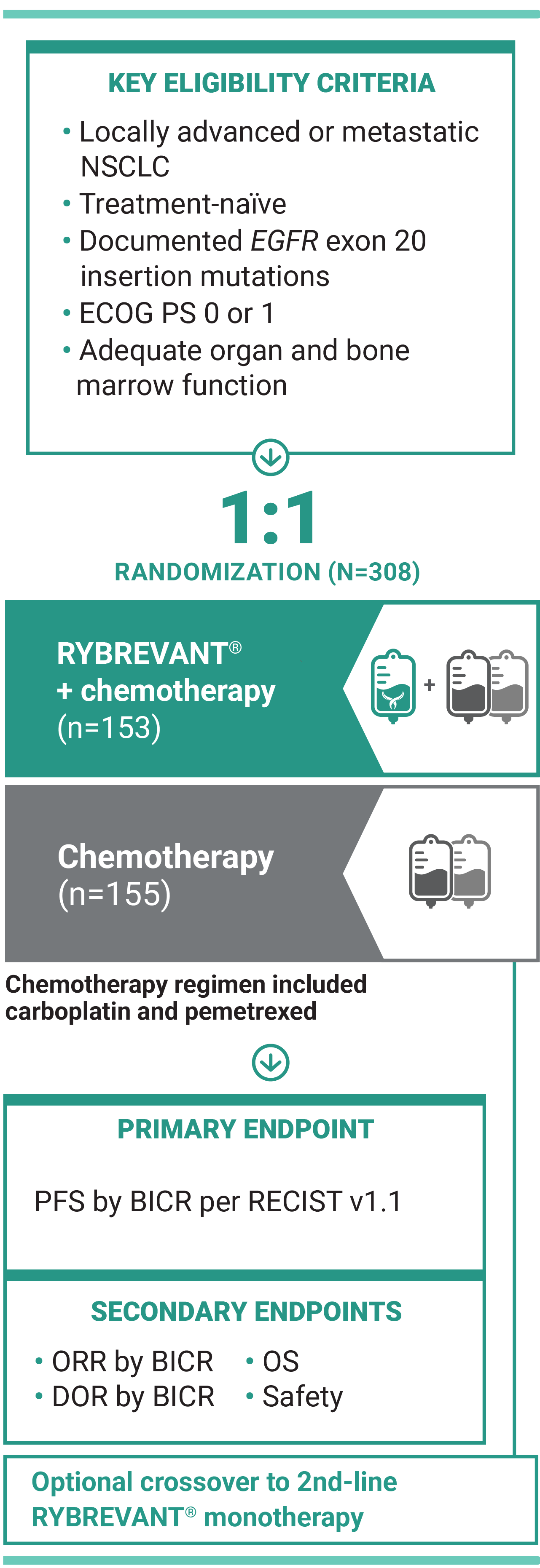
PAPILLON is a randomized, open-label, multicenter, phase 3 trial comparing treatment with RYBREVANT® in combination with chemotherapy vs chemotherapy alone.1,2

Treatment with RYBREVANT® + chemotherapy was evaluated in the PAPILLON phase 3 trial1,2

PAPILLON clinical study designPAPILLON clinical study design

Patients with definitively treated, clinically stable, asymptomatic brain metastases and off corticosteroids for at least 2 weeks were eligible. Patients with a medical history of ILD or active ILD were excluded.

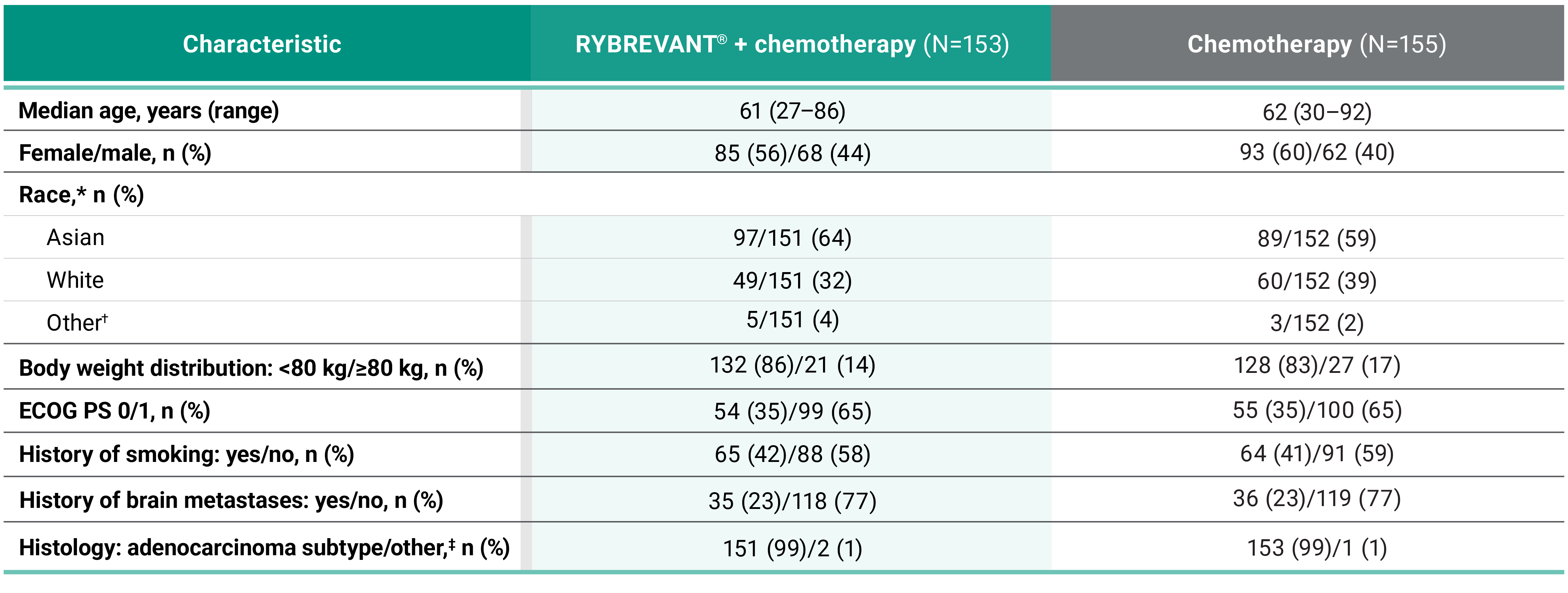
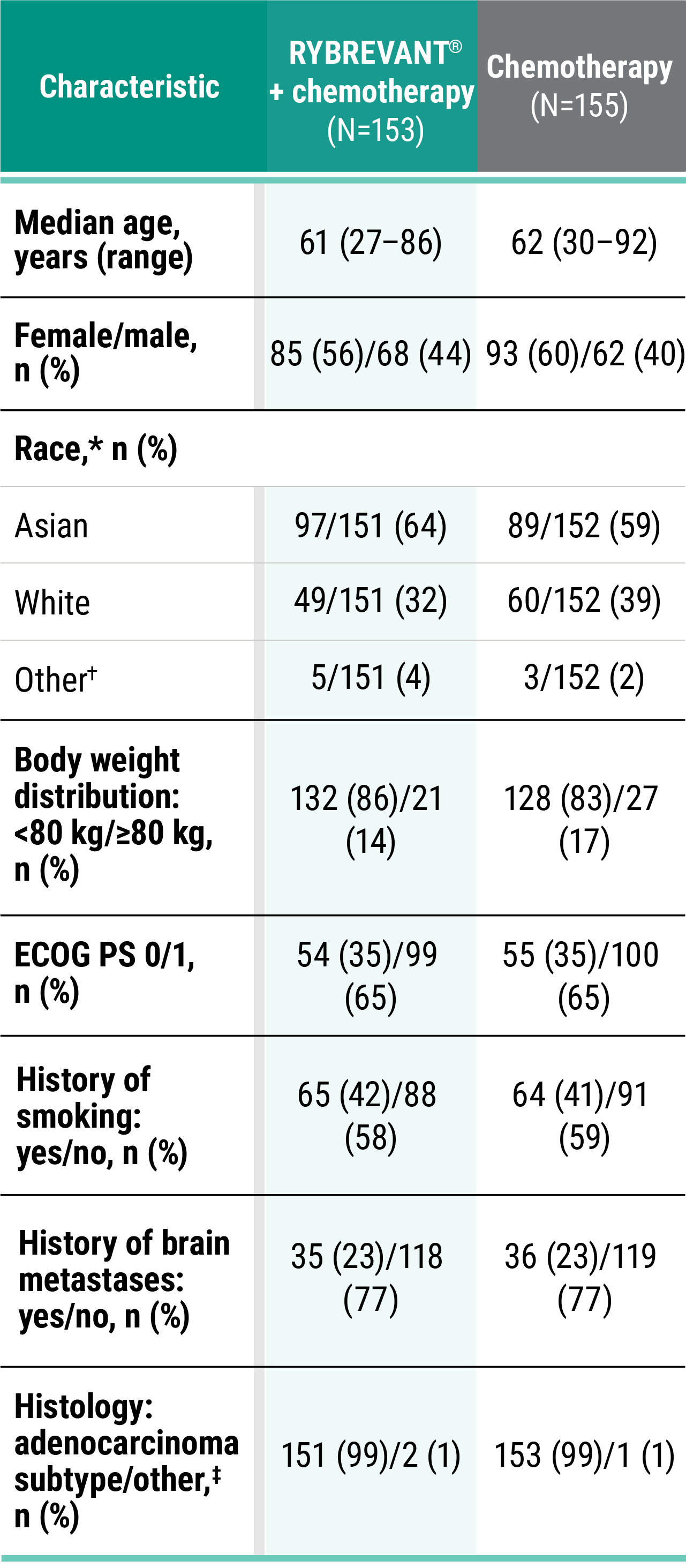
Baseline characteristics were well-balanced across treatment types2

PAPILLON clinical study baseline characteristics

*Race or ethnic group was reported by the patients. In some regions, reporting of race was not required. One patient reported being of multiple races.

Other includes American Indian or Alaska Native, Black, multiple, or both.

Other histologic types included bronchoalveolar carcinoma, non–squamous cell non–small cell lung cancer, and non–small cell carcinoma.

ILD, interstitial lung disease; RECIST, Response Evaluation Criteria in Solid Tumors.


Safety

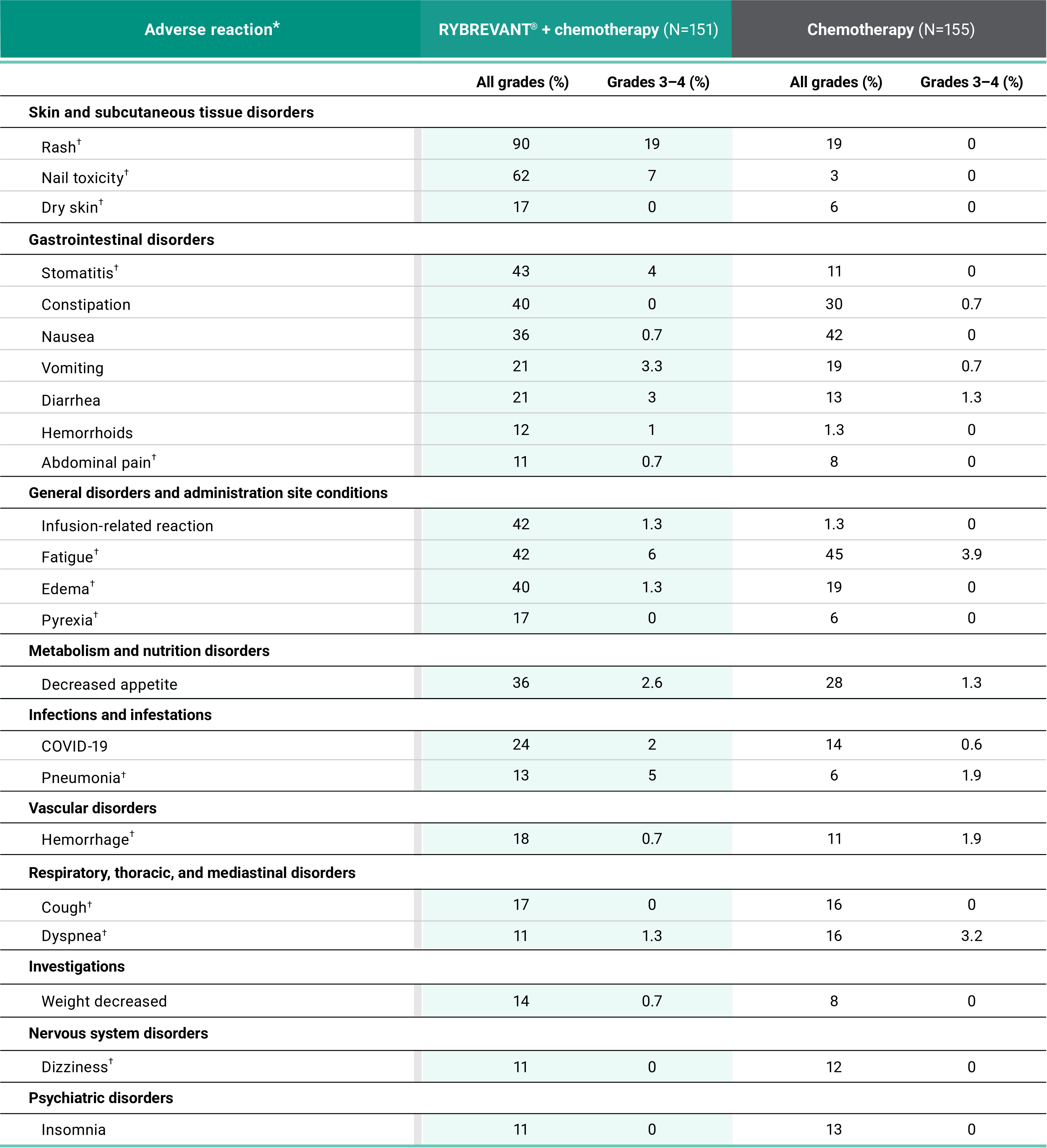
Majority of ARs in the PAPILLON trial were grades 1 and 21

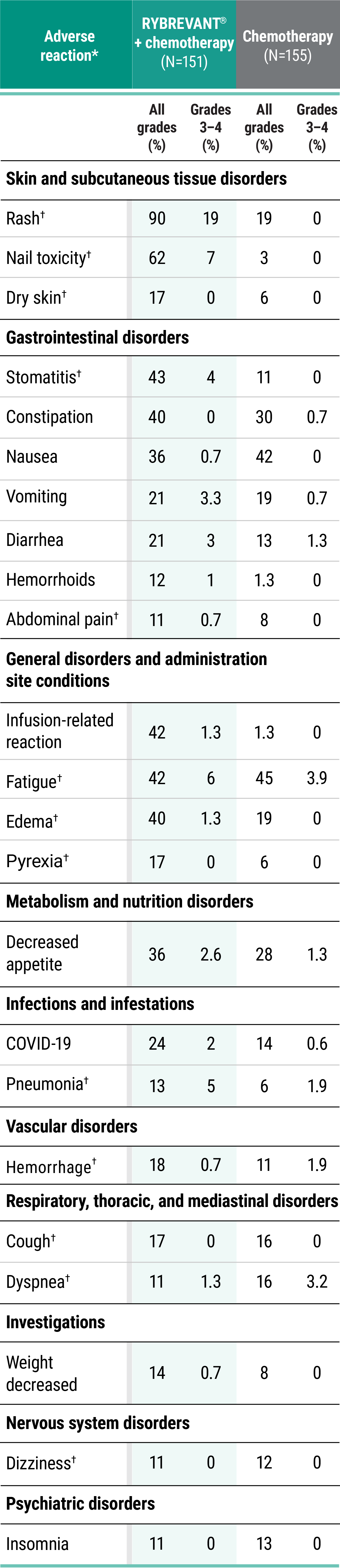
ARs (≥10%) in patients in PAPILLON1

PAPILLON adverse reactions chartPAPILLON adverse reactions chart

*ARs were graded using CTCAE version 5.0.

Grouped terms.

  • Serious ARs occurred in 37% of patients who received RYBREVANT® + chemotherapy and 31% of patients who received chemotherapy alone1,2
  • Serious ARs in ≥2% of patients included rash, pneumonia, ILD, pulmonary embolism, vomiting, and COVID-191
  • Fatal ARs occurred in 4.6% of patients who received RYBREVANT® + chemotherapy and 3% of patients who received chemotherapy alone1,2
  • The most common ARs (≥20%) were rash, nail toxicity, stomatitis, IRRs, fatigue, edema, constipation, decreased appetite, nausea, COVID-19, diarrhea, and vomiting1
  • Clinically relevant ARs in <10% of patients who received RYBREVANT® + chemotherapy included pulmonary embolism, deep vein thrombosis, skin ulcer, conjunctivitis, and ILD/pneumonitis1

Learn about
the safety profile of RYBREVANT FASPRO

Learn more

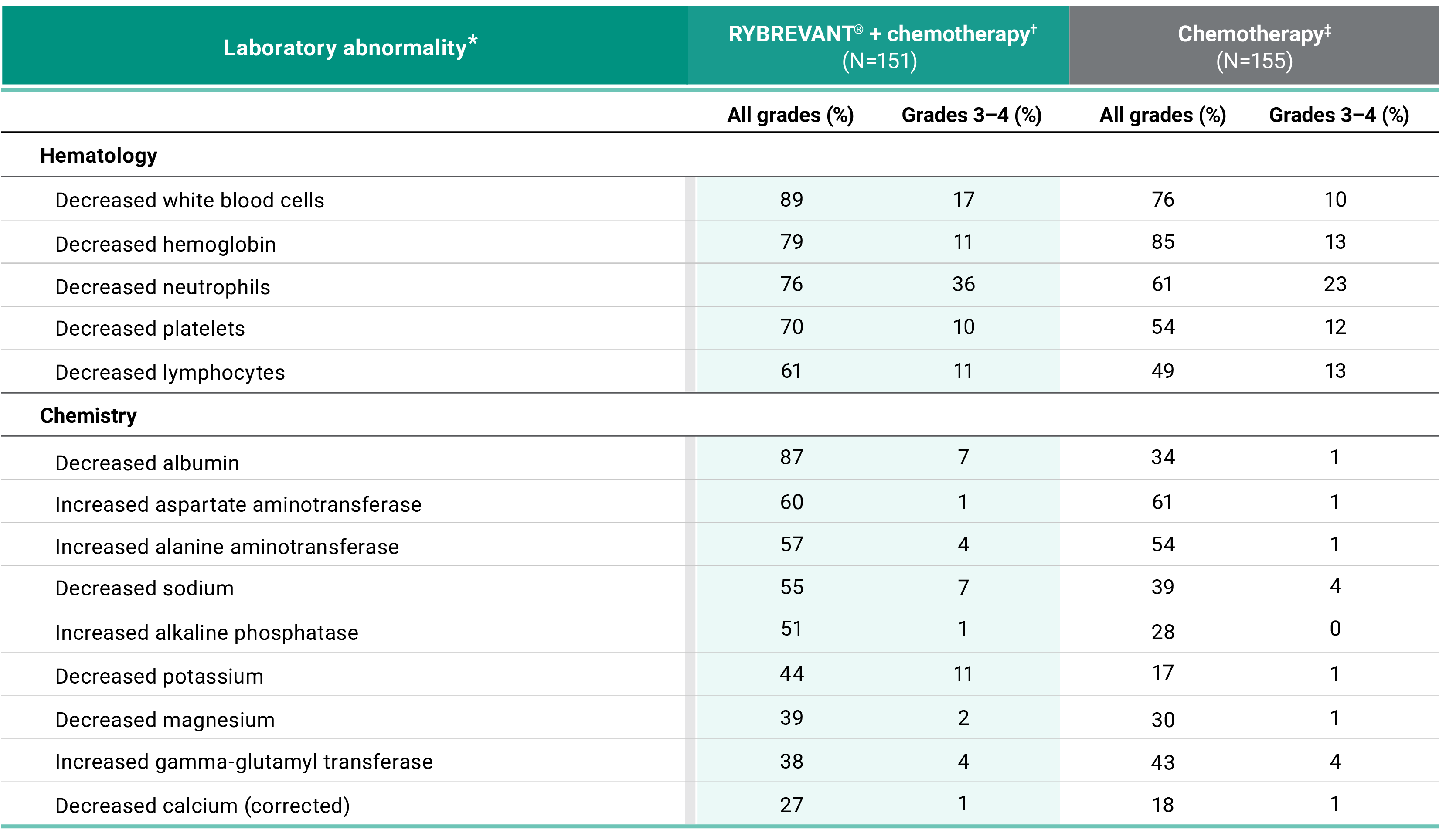
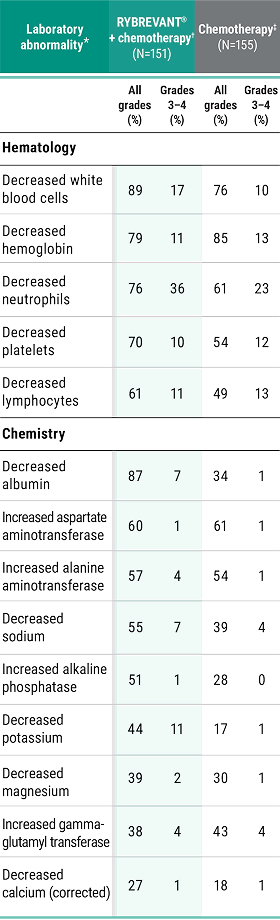
Summary of laboratory abnormalities that worsened from baseline (≥20%) in PAPILLON1

Lab abnormalities in the PAPILLON clinical trialLab abnormalities in the PAPILLON clinical trial

*ARs were graded using CTCAE version 5.0.

The denominator used to calculate the rate varied from 113 to 150 based on the number of patients with a baseline value and at least one post-treatment value.

The denominator used to calculate the rate varied from 119 to 154 based on the number of patients with a baseline value and at least one post-treatment value.

The most common grade 3 to 4 laboratory abnormalities (≥2%) were decreased albumin, increased alanine aminotransferase, increased gamma-glutamyl transferase, decreased sodium, decreased potassium, decreased magnesium, and decreases in white blood cells, hemoglobin, neutrophils, platelets, and lymphocytes.1

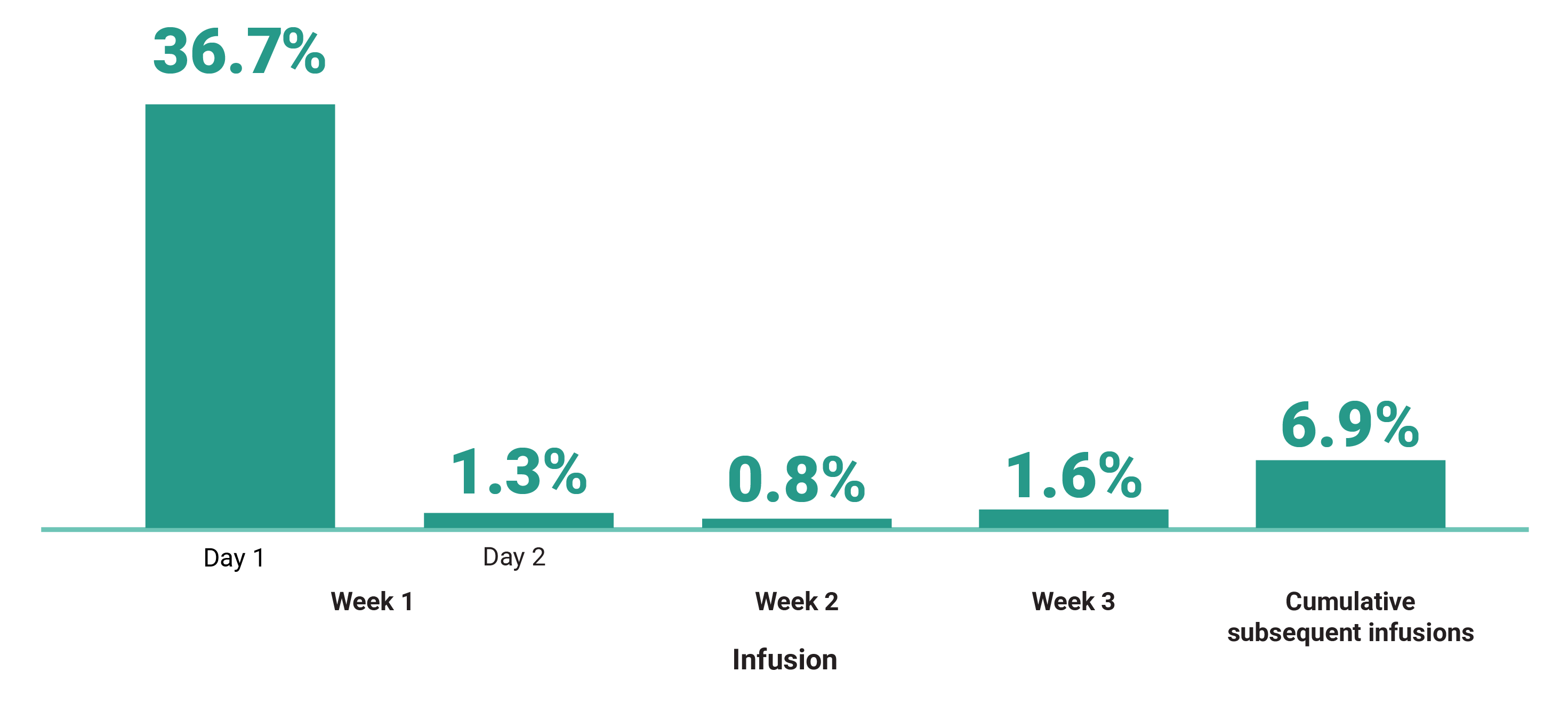
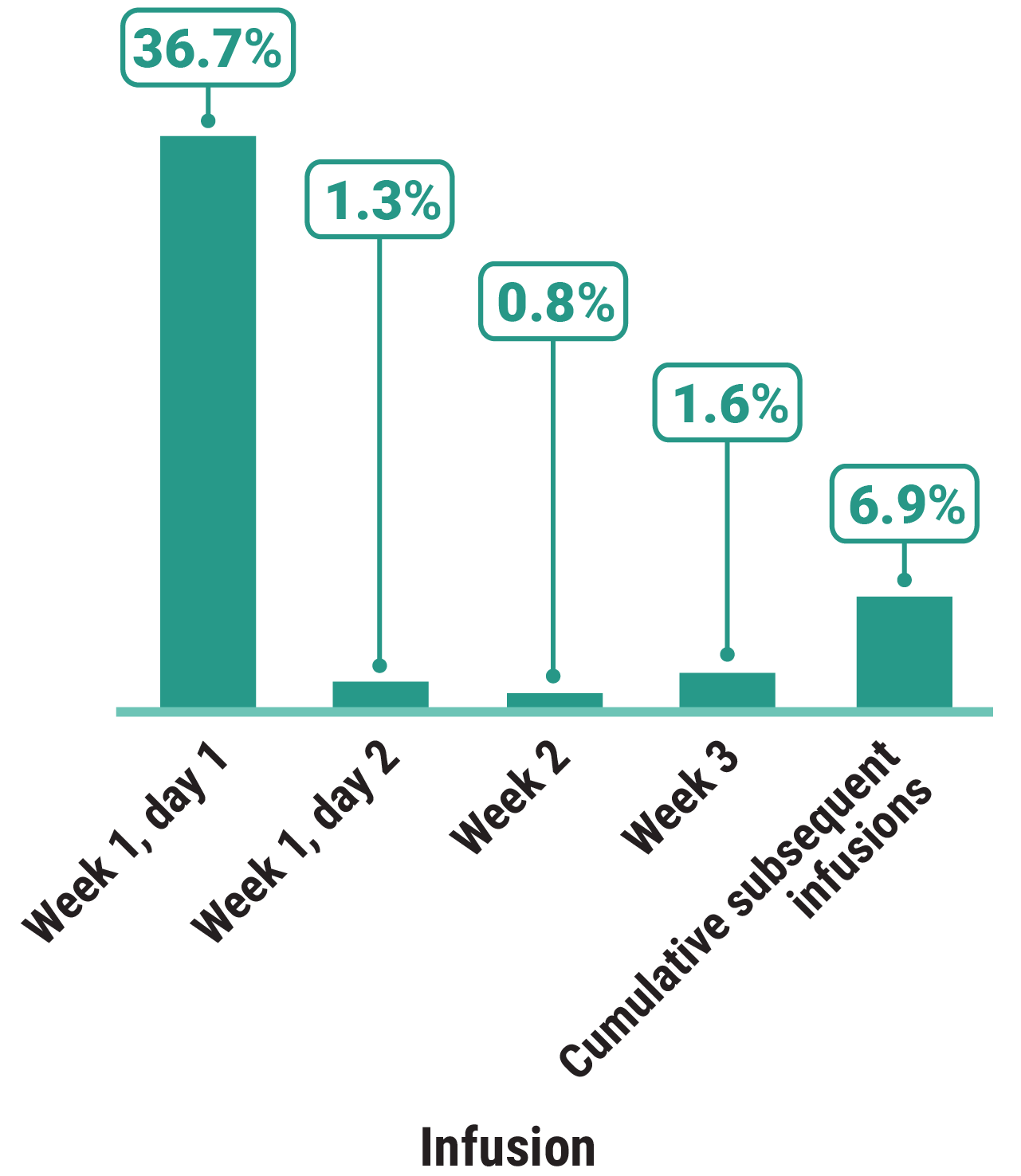
In the PAPILLON trial, most IRRs occurred during the first infusion (week 1, day 1) and rarely during subsequent infusions4

IIR rates in the PAPILLON clinical trialIIR rates in the PAPILLON clinical trial
  • 98.7% of IRRs were grades 1 to 21,4
  • Median time to onset of first IRR was 0.8 hours (range, 0.1–3.6 hours)4
  • Monitor patients for any signs and symptoms of IRRs during RYBREVANT® infusion in a setting where cardiopulmonary resuscitation medication and equipment are available. Interrupt infusion if IRR is suspected. Reduce the infusion rate or permanently discontinue RYBREVANT® based on severity6
  • If an anaphylactic reaction occurs, permanently discontinue RYBREVANT®6
  • Signs and symptoms of IRR include dyspnea, flushing, fever, chills, nausea, chest discomfort, hypotension, and vomiting6

Prophylaxis may reduce the risk of IRRs and dermatologic ARs

Learn more

AR, adverse reaction; CTCAE, Common Terminology Criteria for Adverse Events; IRR, infusion-related reaction.


Dose Modifications and Discontinuation Rates

Adaptable dosing is available to help your patients manage ARs and stay on treatment4*

Most patients used dose modification to continue treatment with RYBREVANT®.
  • Permanent discontinuation of RYBREVANT® due to an AR occurred in 11% of patients
  • Dose interruption due to an AR occurred in 64% of patients
  • Dose reduction due to an AR occurred in 36% of patients

*Certain types and severity of ARs require discontinuation after first occurrence.1

References:

  1. RYBREVANT FASPRO [Prescribing Information]. Horsham, PA: Janssen Biotech, Inc.
  2. Zhou C, Tang K-J, Cho BC, et al; PAPILLON Investigators. Amivantamab plus chemotherapy in NSCLC with EGFR exon 20 insertions. N Engl J Med. 2023;389(22):2039-2051. doi:10.1056/NEJMoa2306441
  3. Referenced with permission from the NCCN Clinical Practice Guidelines in Oncology (NCCN Guidelines®) for Non-Small Cell Lung Cancer V.2.2026. © National Comprehensive Cancer Network, Inc. 2025. All rights reserved. Accessed December 2, 2025. To view the most recent and complete version of the guideline, go online to NCCN.org. NCCN makes no warranties of any kind whatsoever regarding their content, use or application and disclaims any responsibility for their application or use in any way.
  4. Data on file. Janssen Biotech, Inc.
  5. Zhou C, Tang K-J, Cho BC, et al; PAPILLON Investigators. Amivantamab plus chemotherapy in NSCLC with EGFR exon 20 insertions. N Engl J Med. 2023;389(22)(suppl appendix):1-34. doi:10.1056/NEJMoa2306441
  6. RYBREVANT® [Prescribing Information]. Horsham, PA: Janssen Biotech, Inc.